
Training
PAWS Critical Response Canines
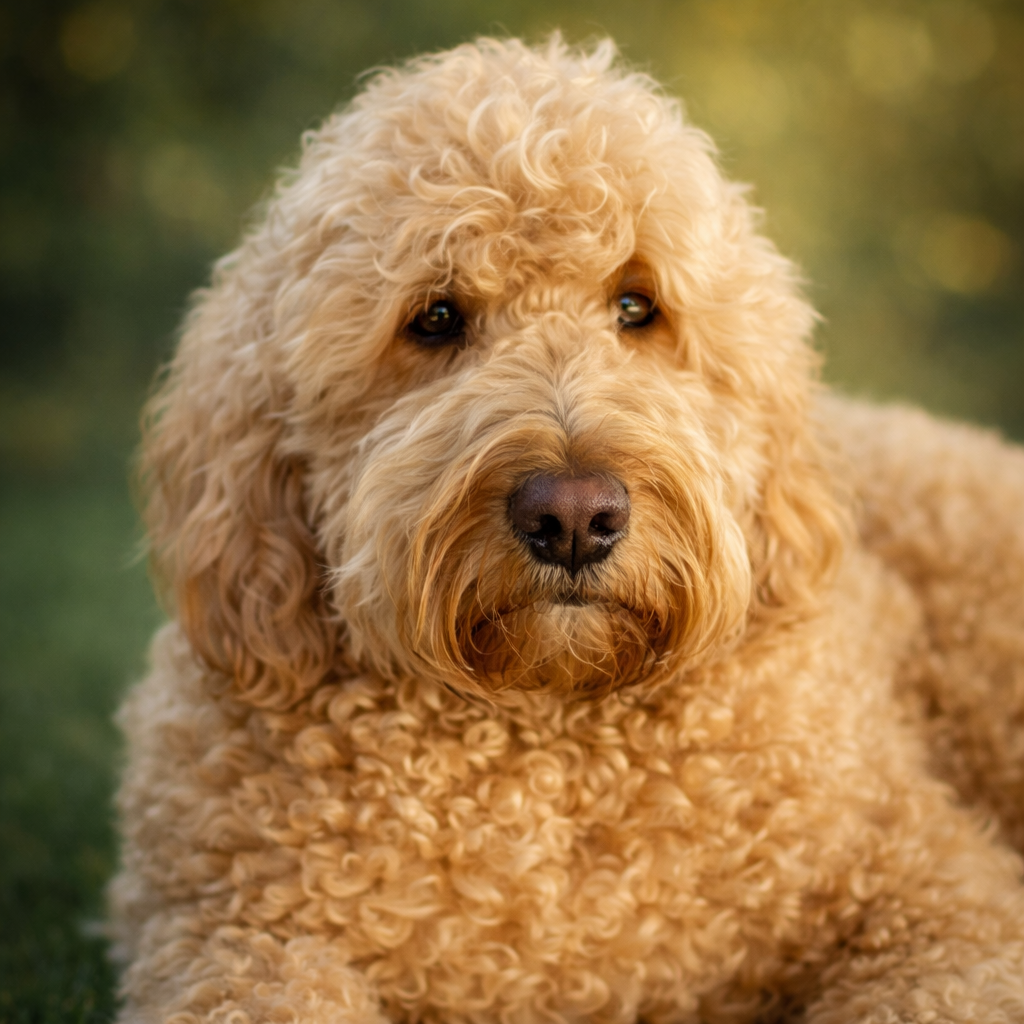
Harry
Prepared for the Unexpected
Our training program prepares teams for the realities of crisis environments, including exposure to noise, crowds, emergency scenes, and unpredictable conditions.
Skills Beyond a Typical Therapy Dog
Crisis response dogs must demonstrate advanced skills, including composure under stress, strong handler focus, confidence in unfamiliar environments, and appropriate social behavior in emotionally charged situations. PAWs handler–canine teams receive specialized training to remain calm, controlled, and effective during emergencies, supporting first responders and individuals affected by accidents, disasters, and critical incidents. Dogs are prepared to work in chaotic settings with crowds, noise, flashing lights, and other distractions while maintaining focus on their handler and responding reliably to commands. They must navigate challenging environments, remain steady around distressed individuals and other animals, and avoid behaviors that could add stress. Through rigorous training, evaluation, and certification, PAWs teams are equipped to provide safe, professional, and compassionate support when it matters most.
A. Training
Handler preparedness, canine behavior, psychological support, and disaster-response integration (Blue Sky Events).
PAWs will attend city, county, and state disaster-preparedness drills and related events. These provide realistic field conditions, role-play scenarios, and exposure to emotional or unpredictable environments. Handlers and canines are evaluated for readiness under simulated crisis conditions.
B. PAWs Skills for Diverse Environments
Handlers and canines must demonstrate the ability to tolerate, adapt, and cope with stress and changing environments.
Blue Sky Expectations Training workshops build resilience, confidence, and operational readiness in both handler and canine to ensure reliable performance in crisis and disaster situations.
C. Critical Incident Skills -Verbal or Hand
1. Greet
“Say Hi” or Equivalent: Safe, polite permission for the dog to approach another person.
2. Leave It Or Equivalent
Immediate compliance is required in any setting or situation.
3. Loose-Lead Walking
Walk calmly without pulling or creating tension, with approved harness and leash.
4. Short-Lead Walking
The handler maintains a shortened lead for steady control in crowded or high-activity environments. Reaction to other dog s should be calm and controlled.
5. Reaction to Distractions, Sights & Sounds
Remains calm and controlled, under handler direction.
6. Recall at a Distance
Demonstrate reliable recall from at least 20 feet.
7. Sit / Stay / Down / Settle
Commands may be used individually or in sequence and must be maintained until the handler gives a release cue.
8. Sits Calmly for Petting
Remains calm and controlled, under handler direction.
9. Supervised Separation
Remains calm and controlled with another person as handler
10. Under-Table Positioning
Sits or lies comfortably under a table on command.